Category: Egg Health and Egg Quality Support

Egg Health and Egg Quality Support

You are born with all the eggs you will ever have, and their quality declines with age. Both halves of that sentence are true, and both get repeated so often that they start to sound like the end of the conversation. They are not. What usually goes unsaid is the part that matters most if you are trying to conceive right now: an egg does not sit frozen and unchanged from birth until the cycle it is released.

The Three Month Window Where Egg Quality Is Decided

In roughly the ninety days before ovulation, a follicle leaves dormancy and enters an intensive maturation phase. The egg inside becomes metabolically demanding. It leans on its mitochondria to produce the energy needed to divide chromosomes cleanly, and it draws on the nutritional and antioxidant conditions of the body around it. A great deal of what we loosely call egg quality is shaped during that stretch, which is why fertility specialists ask patients to give any change at least three full months before judging it.

That timeline also explains why starting early is more than a throwaway line. A change you make this week is not acting on the egg you release this month. It is acting on the group of follicles you will release a season from now.

Quality and Quantity Are Two Different Measurements

AMH and antral follicle count describe how many eggs remain available. Neither describes whether those eggs can mature properly, fertilise, and go on to develop as embryos. The two get read as a single verdict constantly, and that confusion causes a lot of avoidable distress. Women with low AMH can produce good quality eggs. Women with reassuring reserve numbers can still see disappointing embryo development in an IVF cycle. A reserve number tells you something about supply. It does not tell you what any individual egg is capable of.

Why Mitochondria and Oxidative Stress Keep Coming Up

Two ideas dominate the research in this area: mitochondrial energy production and oxidative stress. A maturing egg carries more mitochondria than almost any other cell in the body, and mitochondrial output tends to decline with age. Oxidative stress, meaning the imbalance between free radicals and the antioxidants that neutralise them, is thought to add to that load.

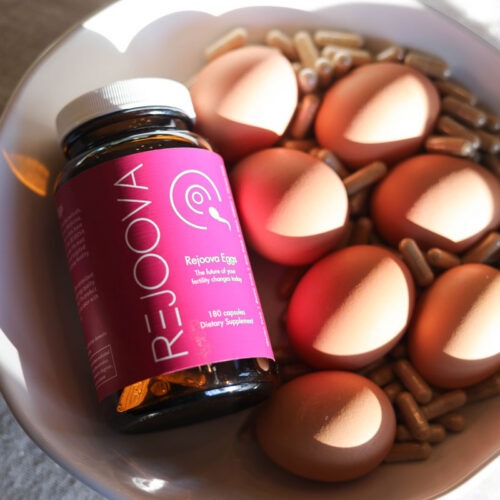
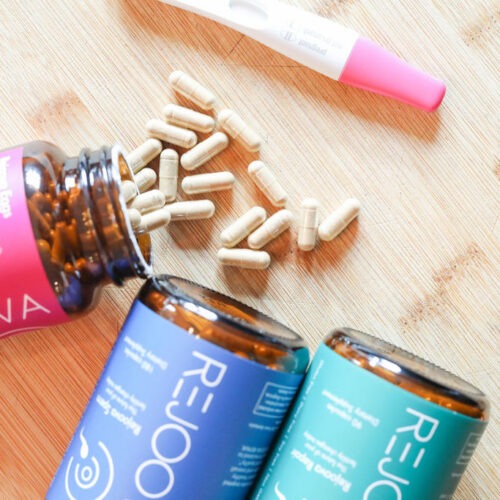
That reasoning is why CoQ10 dominates egg quality discussions, and it is the thinking behind Rejoova Eggs, formulated for women focused on egg quality, and Rejoova Repair, which is built around antioxidant and cellular support and is commonly taken alongside it. Neither is a treatment for infertility and neither should be presented that way. What they are designed to do is support the nutritional environment during the months an egg is maturing. Speak with your own clinician about what suits your situation, particularly if you are in an active treatment cycle.

Egg Quality Inside an IVF or IUI Cycle

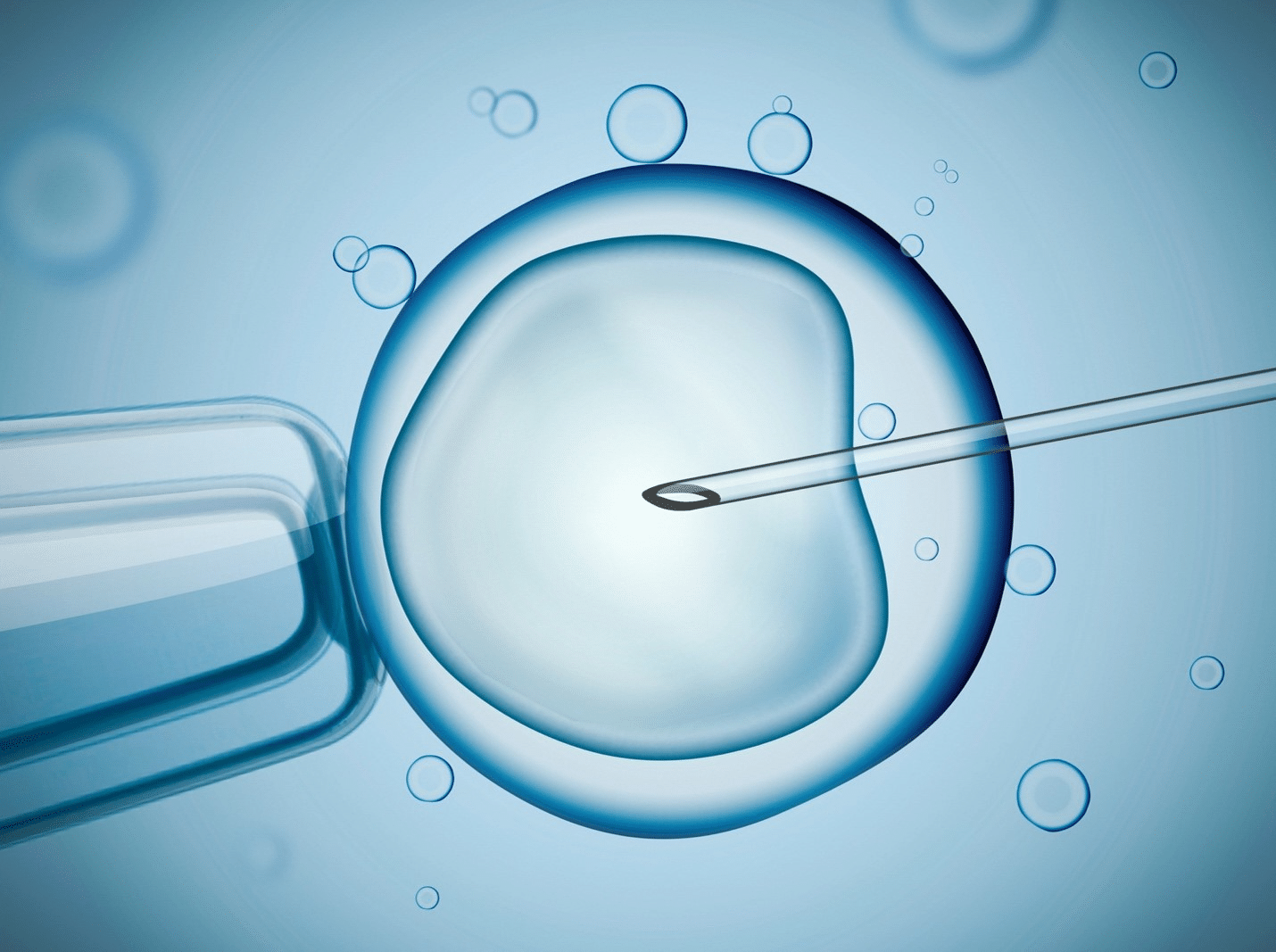
Assisted treatment works with the eggs it is given. Stimulation can recruit more follicles in a single cycle, and the lab can bring egg and sperm together directly, but neither step changes what happened inside an egg during the months before retrieval. That is why fertilisation rates, blastocyst development and embryo grading so often trace back to egg quality rather than to anything that happened in the clinic.

It is also why preparation timed to the cycle itself tends to disappoint. A protocol begun in the two weeks before retrieval is working on eggs that finished maturing long before it started. Women preparing for a cycle commonly begin around three months out, which is the thinking behind the Fertility Support Bundle for Her, pairing the egg quality formula with antioxidant support in one protocol.

The Other Half of the Equation

An embryo is built from two cells, and egg quality only explains half of what happens after fertilisation. Sperm DNA integrity influences fertilisation, early embryo development and miscarriage risk, and it runs on a comparable seventy to ninety day clock. Couples who address only the female side often spend a full cycle discovering that, which is covered in our sperm health guides and across the wider trying to conceive section.

Every formulation discussed here was developed by the fertility experts behind Rejoova, who between them bring roughly sixty years of combined clinical experience. The reasoning behind each ingredient, along with the dosing rationale, is set out in full on the individual product pages.